Soilless farming for learning and controlled crop production
FaaS supports soilless planting systems that help schools, farms, and communities grow crops with better visibility over water, nutrients, lighting, and daily cultivation conditions.
Connected soilless planting systems for practical growing environments
Soilless planting systems create a cleaner and more controlled way to grow crops without relying on traditional soil. By combining planting racks, irrigation, lighting, monitoring, and optional automation, the setup supports both crop production and hands-on learning.
Setup
Modular planting setup
Planting racks or growing units can be arranged for classrooms, demonstration areas, indoor spaces, or controlled farm environments.
Resource control
Water and nutrient management
Irrigation and nutrient delivery can be monitored and adjusted to support healthier crop growth, helping users manage water use, feeding schedules, and daily growing needs with better visibility.
Growing conditions
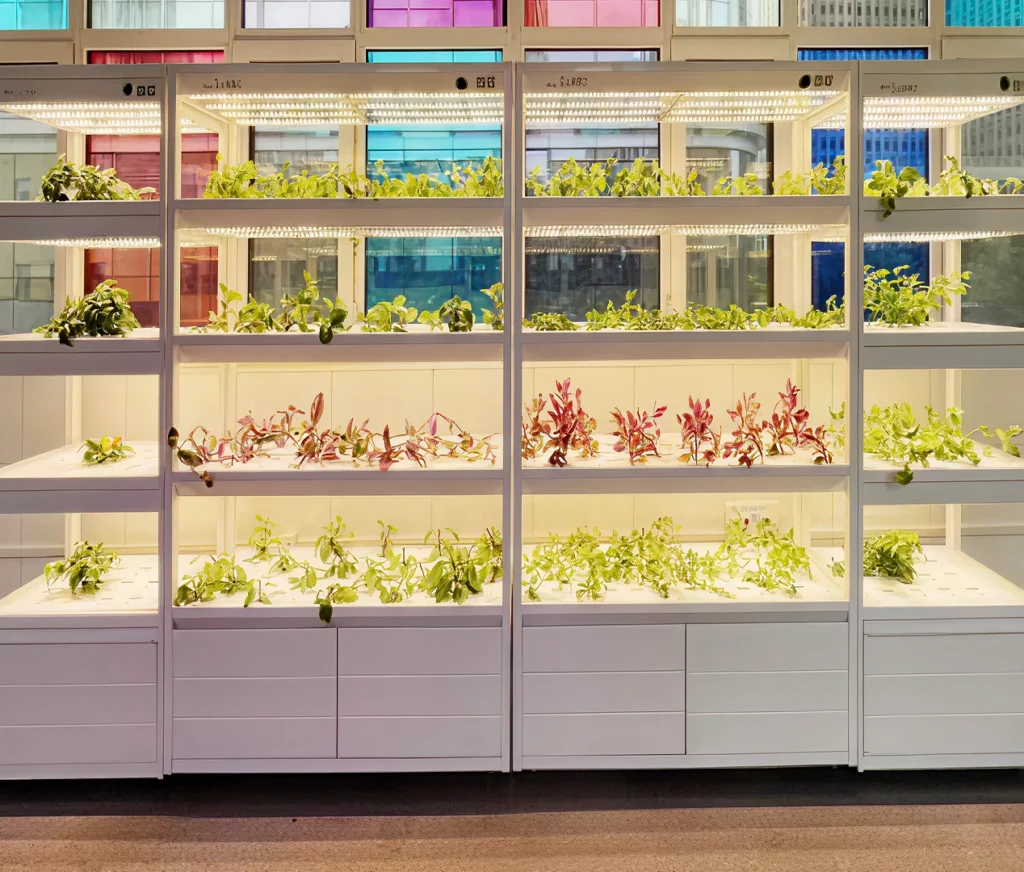
Lighting and environment support
Lighting and growing conditions can be managed more consistently for indoor or semi-controlled spaces, supporting healthier plants and more predictable growth.
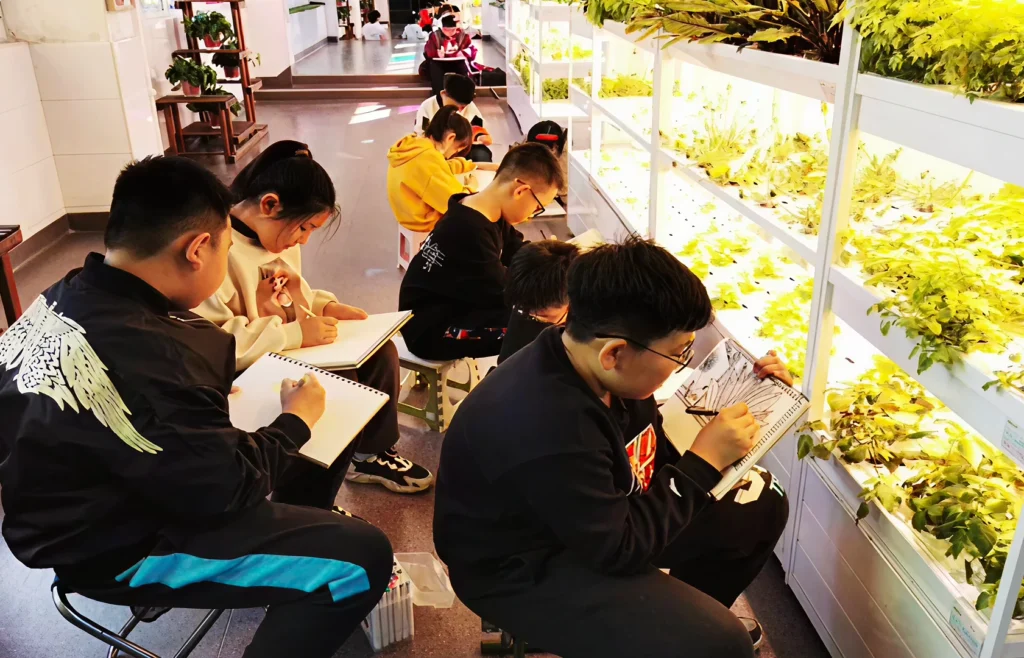
Learning use
Education and demonstration use
The system helps learners observe plant growth, understand cultivation steps, and connect farming with science, technology, and sustainability.
Use scenarios
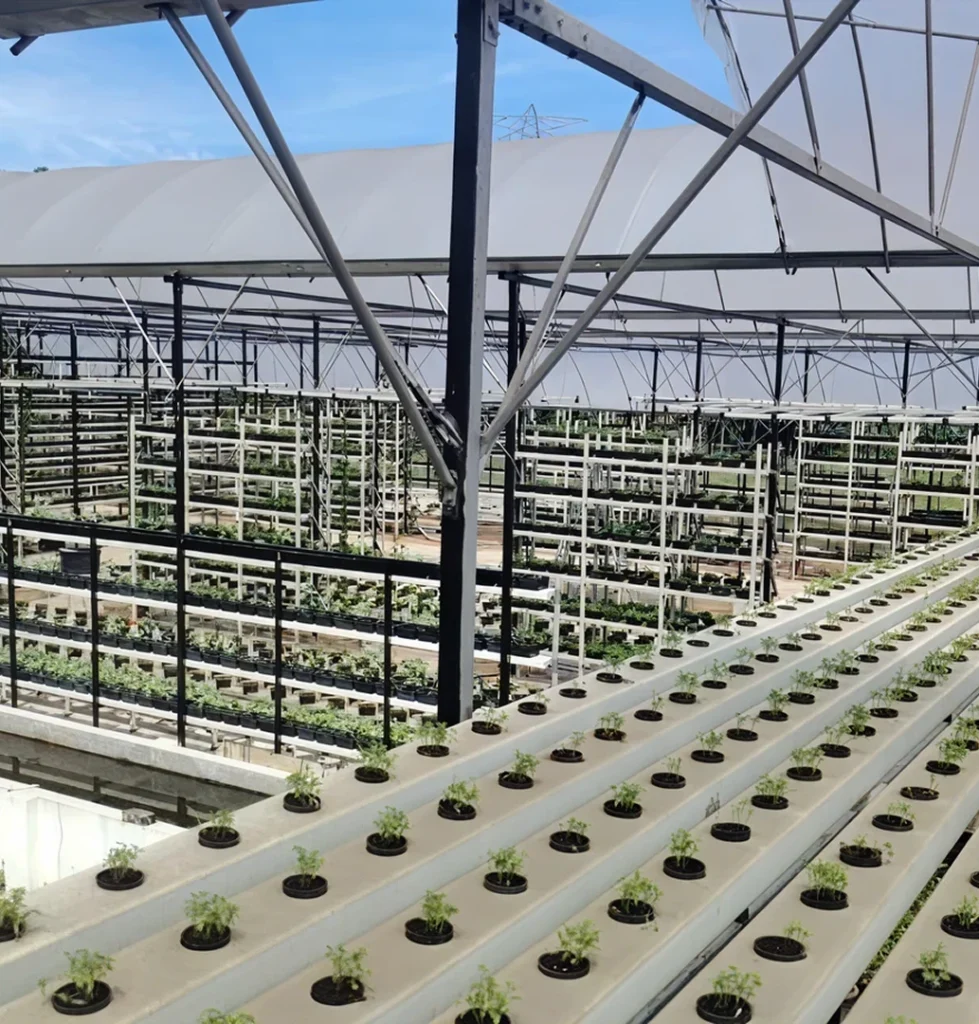
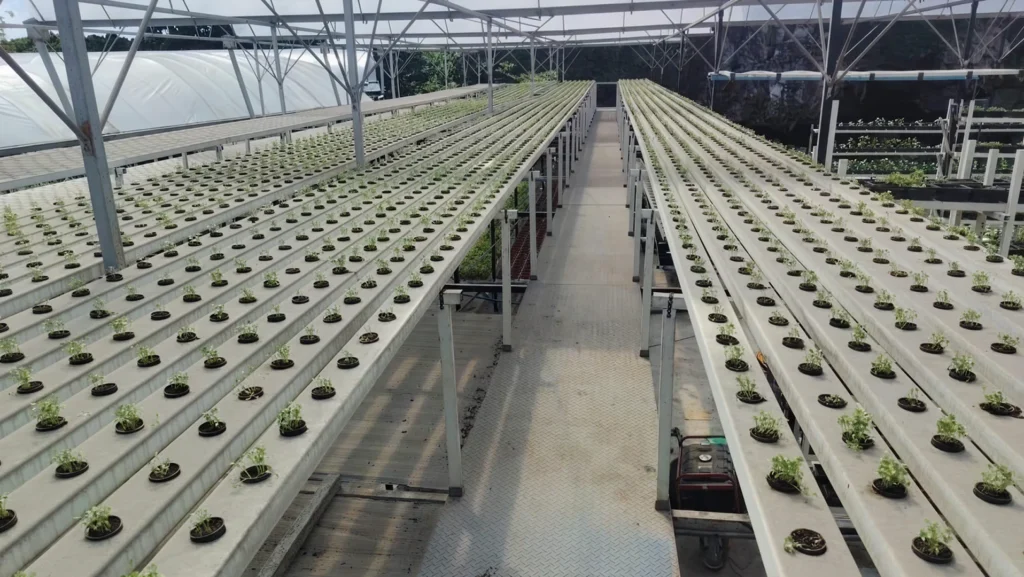
Designed for indoor, outdoor, and controlled planting environments
Soilless planting systems can be adapted for indoor rooms, semi-outdoor spaces, greenhouses, demonstration sites, and practical growing environments. This makes them suitable for both hands-on learning and more consistent crop cultivation in space-limited or managed settings.
01
Indoor learning and training spaces
Support classrooms, training rooms, and indoor growing areas with visible planting systems that make crop growth easier to observe and manage.
02
Demonstration and exhibition environments
Use soilless systems in showrooms, pilot sites, or public-facing demonstration areas to present modern planting methods in a clear and practical way.
03
Greenhouses and protected growing areas
Apply connected monitoring, irrigation, and environmental support in controlled or semi-controlled growing spaces to improve crop consistency and daily management.
04
Community, urban, and shared planting spaces
Introduce compact planting systems into community areas, campuses, or urban environments where cleaner, space-efficient growing setups are preferred.
Soilless planting systems help users manage crop growth with better control over water, nutrients, lighting, and space, while supporting practical learning and sustainable farming education.
Stable growing conditions
Support more consistent plant growth with better control over water, nutrients, lighting, and surrounding growing conditions
Better resource control
Improve visibility over irrigation and nutrient use, helping users manage inputs more clearly and reduce unnecessary waste.
Practical learning experience
Turn planting systems into hands-on learning tools that help students, trainees, or visitors observe crop development more directly.
Lower manual effort
Reduce repetitive checking and simplify daily plant care with more organized growing setups and clearer monitoring support.